
Globalsat Group shapes tomorrow’s energy ecosystem and redefines the future of business
Read further information in the dedicated advertorial of MoneyReview.gr
The future of industry and business at large is being built around a single concept: energy autonomy. Energy is no longer viewed merely as an operational expense; it has evolved into a strategic driver of growth, resilience, and competitiveness. In an environment shaped by geopolitical uncertainty, energy price volatility, increasingly stringent ESG requirements, and the accelerating electrification of business operations, more organizations are seeking ways to gain greater control over their energy footprint.
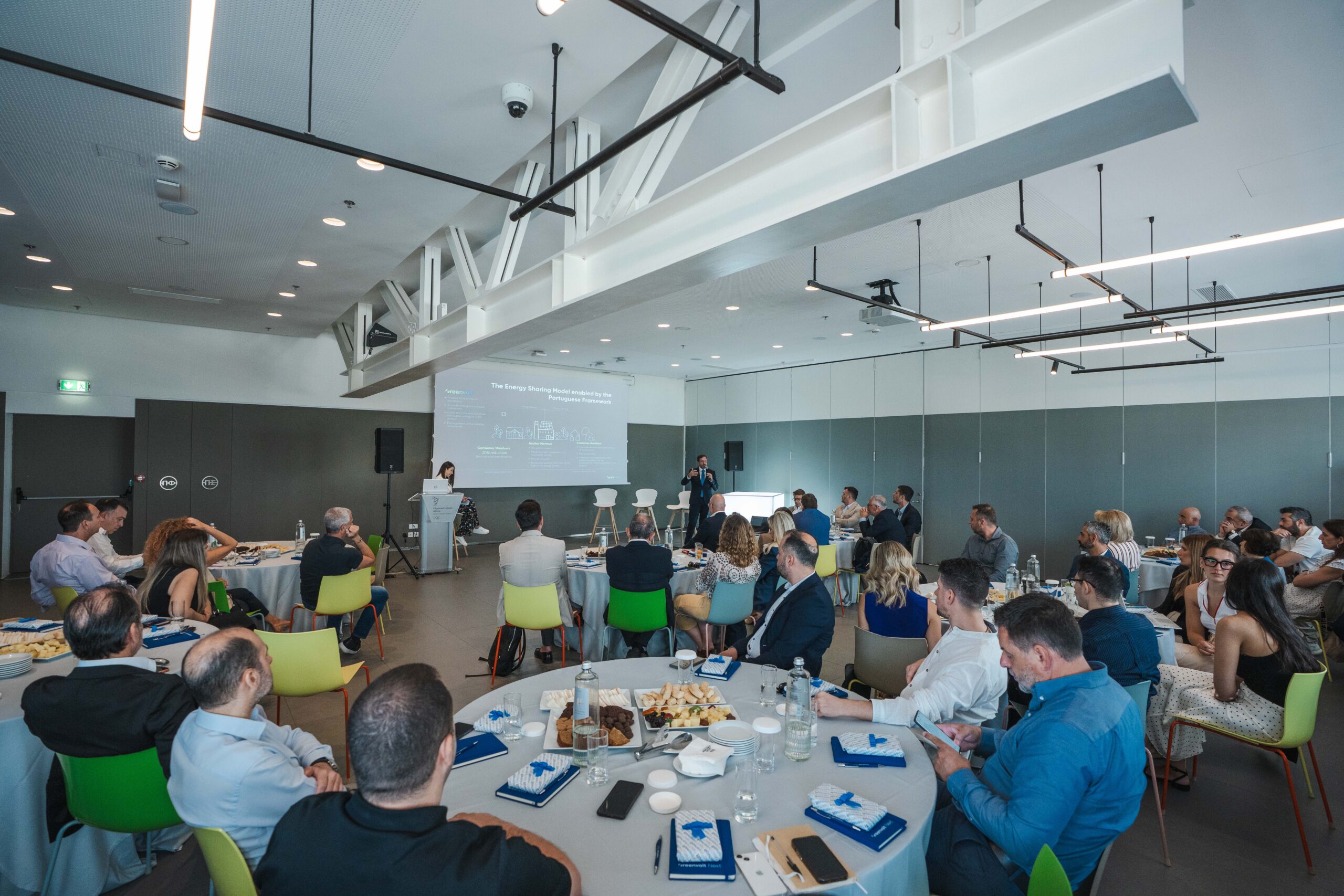
This new reality was at the heart of the event “Energy in Practice: Decisions Shaping the Future of Business,” jointly hosted by Greenvolt Next and Globalsat Group. Bringing together business leaders, industry experts, and market stakeholders, the event provided a platform for meaningful dialogue on both the challenges and opportunities arising from the energy transition and its impact on the future of business.
Throughout the event, a key message emerged: energy autonomy is no longer a future aspiration but an immediate business imperative. Organizations are increasingly required to ensure greater predictability in their energy costs, enhance their sustainability performance, and establish the foundations for long-term growth in a rapidly evolving environment. The market is entering a new era in which energy self-sufficiency is intrinsically linked to self-generation, energy storage, energy management, e-mobility, and smart infrastructure, creating a fully integrated energy ecosystem.
This is precisely where the strategy of Globalsat Energis comes into focus. As highlighted during the event, the company adopts a holistic approach to energy transformation, integrating energy generation, storage, monitoring, management, and optimization within a unified operational framework. Through end-to-end solutions that leverage advanced energy technologies and intelligent monitoring systems, businesses gain access to comprehensive energy insights, enabling them to transform data into actionable intelligence that supports strategic decision-making, operational efficiency, and long-term value creation.
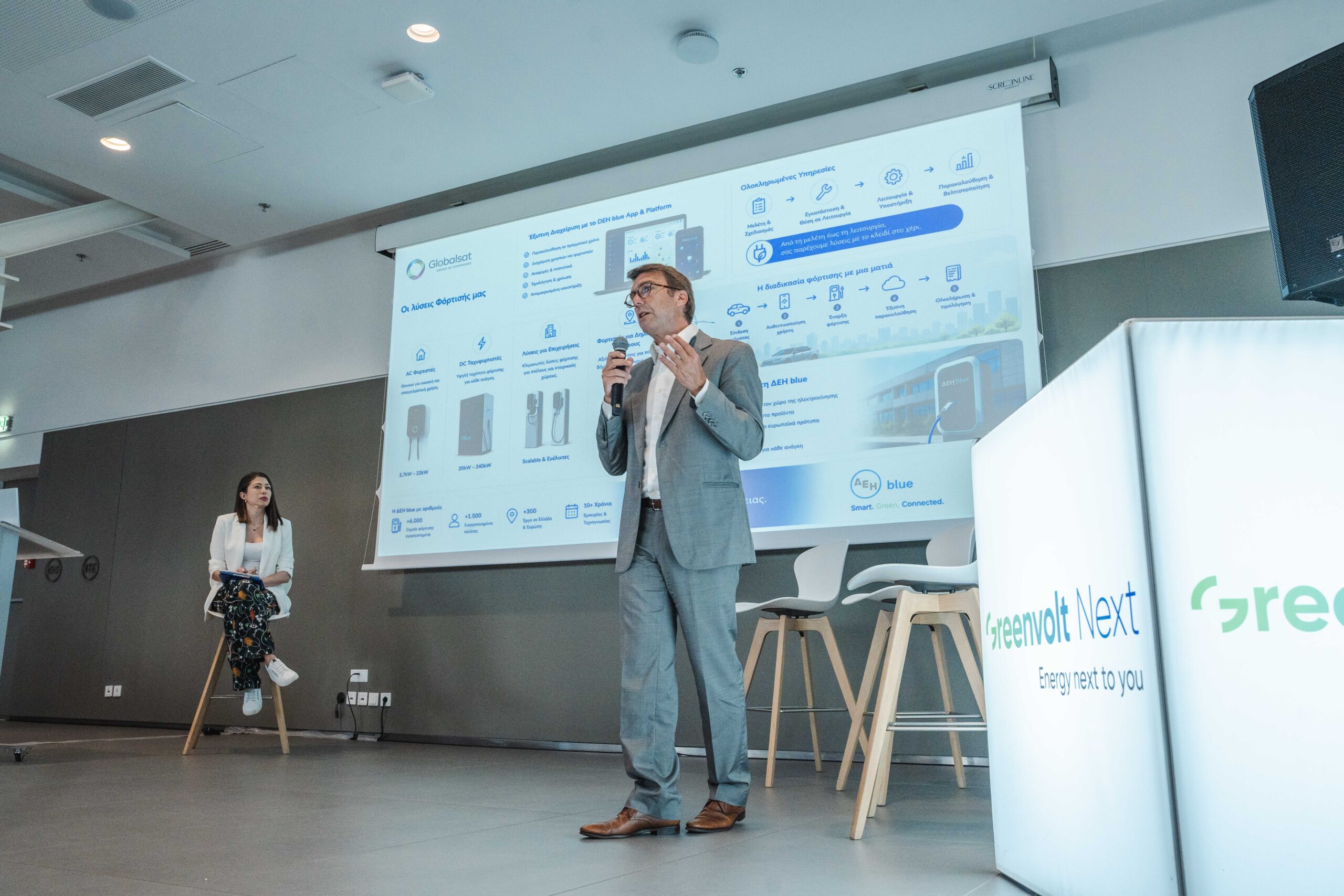
At the same time, the rapid growth of e-mobility is creating both new challenges and significant opportunities for businesses. Electric vehicle charging infrastructure, intelligent energy load management, and their integration with photovoltaic systems and energy storage solutions are shaping a new operating model for corporate energy management. As company fleets become increasingly electrified and sustainability requirements continue to intensify, the ability to seamlessly integrate energy generation, storage, charging, and management within a single ecosystem is becoming a critical business capability. Organizations that invest in such infrastructure today are laying the groundwork for lower operating costs, greater energy flexibility, and enhanced long-term competitiveness. By adopting integrated energy solutions, businesses can not only support their decarbonization objectives but also strengthen their resilience and readiness for the evolving energy landscape.
The experiences of businesses that have already invested in energy transformation initiatives demonstrate that the benefits are far from theoretical. During the event, several case studies were presented, showcasing companies that achieved substantial reductions in energy costs, improved sustainability performance, and strengthened their competitive position in the market. A notable example was TH. K. Skagias S.A., which, following its investment in self-generation solutions, succeeded in covering nearly all of its energy requirements through its own production capacity. As a result, the company significantly reduced its energy-related expenses while enhancing its operational resilience and long-term sustainability performance.
Similarly, Tikun Olam Greece reported a significant reduction in its energy costs following the implementation of targeted energy optimization initiatives. Meanwhile, ETVA Industrial Areas leveraged advanced monitoring systems and energy data analytics to gain deeper visibility into its energy profile, enabling the organization to make informed decisions and develop a structured roadmap for reducing its overall energy footprint.
The message emerging from these discussions is clear: the energy transition is about far more than compliance with environmental targets or regulatory requirements. It is about building businesses that are more resilient to market volatility, more efficient in the use of their resources, and better positioned to compete in a rapidly evolving economic landscape.
Investment in integrated energy solutions has become a strategic business decision—one that is directly linked to sustainable growth, effective risk management, and long-term value creation. By embracing a holistic approach that combines energy generation, storage, monitoring, management, and e-mobility, organizations can strengthen their operational resilience while unlocking new opportunities for efficiency and innovation.
As the energy landscape continues to evolve, those companies that act decisively today will be best positioned to meet the challenges and seize the opportunities of the coming decade. In this context, energy autonomy is no longer simply an ambition for the future—it is a defining factor of future business success.